When most people shop for yarn, the first thing they notice is the color. Then maybe the price. Sometimes the gauge. But one of the most important parts of yarn that often gets overlooked is the material itself. Yarn material affects how soft or stiff your project feels, how warm it is, how well it holds its shape, how it handles washing, and even how long it lasts.
Two yarns can be the same gauge, the same ply, and look similar on the shelf, but behave completely differently once you start working with them. That is why understanding yarn materials can save you a lot of frustration, especially if you are making clothing, gifts, or anything that needs to be durable or washable.
Here is a breakdown of some of the most common yarn materials you will run into, along with what they are good at and what they struggle with.
Acrylic
Acrylic yarn is one of the most common and affordable yarn types, especially at big craft stores. It is made from synthetic fibers, basically plastic that has been processed into thread form.
One of the biggest advantages of acrylic is accessibility. It is cheap, comes in a huge range of colors, and is easy to find almost anywhere. It is also lightweight and does not attract moths or other pests like animal fibers can.
Acrylic is also very easy to care for. Most acrylic yarns are machine washable and dryer safe, which makes them great for blankets, toys, and everyday items that might get dirty or need frequent washing.
That said, acrylic has some downsides. It does not breathe very well, which means it can feel sweaty or uncomfortable for clothing, especially in warm weather. It also does not regulate temperature like natural fibers do, so it can feel either too warm or oddly cold depending on the environment.
Another thing many crocheters notice is stiffness. Some acrylic yarns are soft, but many are rougher or plasticky, especially cheaper brands. They can also squeak on certain hooks, which is an experience you either get used to or absolutely hate. I typically just loosen my tension a tiny bit if I can afford it.
Acrylic is great for amigurumi, home decor, practice projects, and budget-friendly blankets. It is not always ideal for wearables or baby items unless softness and breathability are not a priority.
Nylon
Nylon is usually not used on its own but blended with other fibers, especially wool or acrylic. You will often see it in sock yarn. Nylon’s main purpose is strength. It adds durability and elasticity, which helps yarn resist breaking, fraying, and wearing thin over time. That is why socks, gloves, and other high-friction items almost always include nylon.
On its own, nylon is very smooth and strong but not particularly warm or cozy. In blends, it improves longevity without changing the feel too much. If you see yarn that lists “wool/nylon blend” or “acrylic/nylon blend,” it usually means the yarn is designed to last longer and handle more use over time. Nylon is machine washable in most cases, but you should always check the label because blends can change care requirements!
Cotton
Cotton yarn is made from plant fibers and feels very different from acrylic or wool. It is smooth, cool to the touch, and heavy for its size.
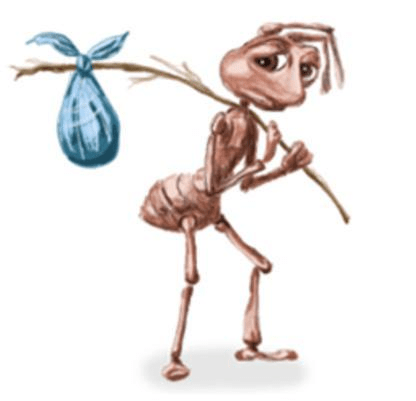
Cotton doesn’t stretch much at all. This can be good or bad depending on your project. It makes great dishcloths, towels, summer clothing, bags, and home decor items because it holds its shape well and absorbs water. I tried making my first tote bag with acrylic, and it stretched so much I looked like this trying to carry it:
However, that lack of stretch can make cotton harder on your hands when crocheting, especially for long sessions. It also means mistakes are less forgiving, and tight stitches can become stiff very quickly.
Cotton is very breathable, which makes it great for warm weather garments. It is also hypoallergenic and usually safe for people with sensitive skin.
One thing to keep in mind is that cotton starts out pretty stiff, and can get heavy when wet and may stretch out over time. More washes can make the project softer, but things like cotton tops can slowly become longer and looser than how it started.
Wool, Alpaca, and Other Natural Animal Fibers
Animal fibers are in a category of their own. This includes wool, alpaca, merino, cashmere, mohair, and more.
Wool is the most common. It is warm, breathable, elastic, and naturally moisture-wicking. Wool can keep you warm even when damp, which is why it has been used for centuries in cold climates.
Alpaca is similar to wool but softer and warmer, with less elasticity. It has a beautiful drape but does not bounce back into shape the same way wool does.
Merino is a type of wool that is very soft and less itchy than traditional wool. Cashmere and mohair are luxury fibers that are extremely soft and warm but can be really expensive!
Animal fibers are great for sweaters, scarves, hats, socks, and anything meant to provide warmth and comfort. However, they usually require more careful washing. Many wool yarns must be hand washed and laid flat to dry. Some are treated to be “superwash,” meaning they can go in the washing machine, but this can affect durability over time.
Animal fibers can also irritate sensitive skin, and some people are allergic to them. I honestly do find them pretty itchy if they’re sitting directly on my skin. This has to do with the barbs naturally found on each fiber which is an essential part of all of the great natural features they provide. They are usually more expensive than synthetic yarns and can attract moths if not stored properly.
Polyester
Polyester yarn is another synthetic option, often used for fuzzy or specialty yarns like velvet yarn, blanket yarn, or chenille. It’s very soft and smooth, sometimes almost slippery. It is lightweight, strong, and resistant to shrinking and wrinkling. It also holds color well. Polyester is commonly used in plush toys, blankets, and novelty projects because of its softness and shine. However, polyester can be difficult to work with. It often has poor stitch definition, meaning it is hard to see your stitches clearly. This makes it frustrating for detailed patterns or beginners.
Like acrylic, it does not breathe well and can trap heat. It is also not biodegradable and contributes to microplastic pollution when washed.
| Material | Softness | Stretch | Breathability | Durability | Ease of Care | Best For | Downsides |
| Acrylic | Medium to soft (varies by brand) | Low | Low | High | Very easy (machine wash/dry) | Blankets, amigurumi, budget projects, practice | Can feel plasticky, not breathable, may squeak |
| Nylon (usually blended) | Depends on blend | Medium | Low to medium | Very high | Easy | Socks, gloves, high-wear items | Rarely used alone, not very warm by itself |
| Cotton | Medium | Very low | High | High | Easy (machine washable) | Dishcloths, bags, summer clothes, home items | Heavy, little stretch, can feel stiff |
| Wool / Alpaca / Animal fibers | Soft to very soft | Medium to high (alpaca lower) | High | Medium to high | Moderate to difficult (often hand wash) | Sweaters, scarves, hats, cold weather wear | Expensive, can itch, special care |
| Polyester | Very soft | Low | Low | High | Easy | Plush toys, fuzzy blankets, velvet yarn projects | Poor stitch definition, traps heat |
Final thoughts
There is no “best” yarn material, only the best yarn for a specific project.
If you want something cheap and easy to care for, acrylic is reliable. If you need strength, nylon blends are great. For breathable summer items, cotton is perfect. For warmth and comfort, animal fibers are hard to beat. For ultra-soft plush projects, polyester shines.
Understanding yarn materials helps you choose intentionally instead of guessing. It can be the difference between loving your finished project and never wanting to touch that yarn again. The more you experiment with different fibers, the easier it becomes to tell what will work for your project before you even pick up your hook.
Happy crocheting!

 Loop Theory Creations